

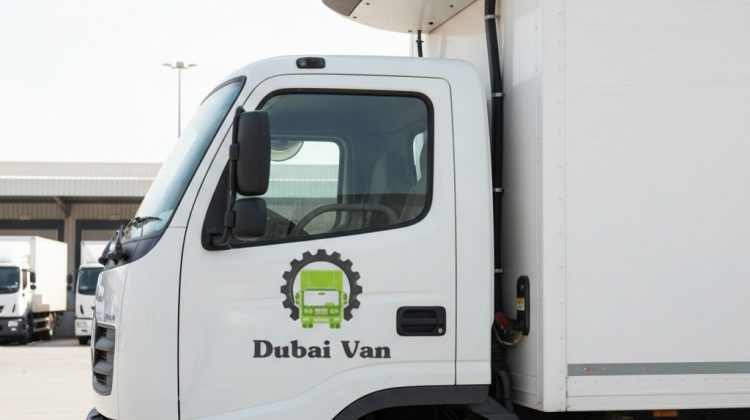
Best Practices for Transporting Frozen Goods in UAE
In the United Arab Emirates, the logistics of moving frozen items is a high-stakes operation. With summer temperatures often exceeding 45°C, the “cold chain” is constantly under pressure. For businesses dealing with ice cream, frozen meats, or sensitive pharmaceuticals, maintaining a sub-zero environment isn’t just a recommendation; it is a legal and operational necessity.
Whether you are managing a fleet or looking for a reliable cold delivery partner, understanding the nuances of frozen goods transport in the UAE is the key to preventing spoilage and protecting your brand. In this guide of frozen goods, we will walk through the industry-standard best practices that ensure your cargo stays frozen solid from the warehouse to the final destination.
1. The Golden Rule: Maintaining -18°C or Below
When it comes to frozen logistics, the number to remember is -18°C. This is the international standard for most frozen goods products. At this temperature, bacterial growth is completely halted, and the physical quality of the food (texture and flavor) is preserved.
However, for some specific items like premium ice cream, you may need to go even lower, reaching -25°C or -29°C. If your vehicle cannot reliably hit and hold these temperatures in the desert heat, you are risking “partial thawing,” which leads to ice crystals and ruined stock.
2. Pre-Cooling: The Essential First Step
One of the most common mistakes in frozen goods transport in the UAE is loading cargo into a warm van. If you load -18°C frozen meat or frozen goods into a trailer that has been sitting in the sun at 40°C, the surface of your product will immediately begin to thaw.
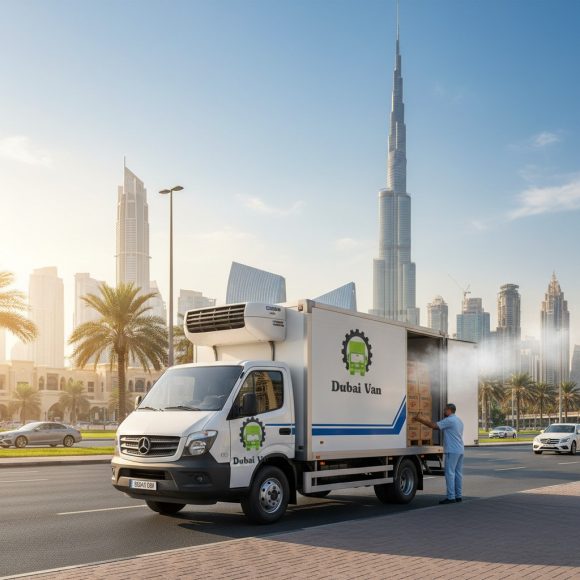
How to do it right:
- Run the unit early: Turn on the refrigeration unit at least 30 to 45 minutes before loading.
- Check the internal temp: Only begin loading once the air inside the cargo area has reached the target temperature.
- Don’t rely on the cargo to cool the van: the van’s cooling unit is designed to maintain temperature, not to freeze a warm environment.
3. Mastering Airflow and Stacking
In a freezer van, air circulation is just as important as the temperature setting. If the cold air cannot move freely around the pallets or boxes, “hot spots” will form.
Best Practices for Stacking:
- The “T” Zone: Keep the area near the cooling unit’s fans (the evaporator) clear. Blocking this area prevents cold air from reaching the back of the van.
- Off the Floor: Use pallets or floor ribbing. This allows air to flow underneath the goods, preventing the floor’s heat from transferring to the bottom layer of boxes.
- Wall Clearance: Avoid pushing boxes directly against the walls. Leaving a few centimeters of space ensures that the “thermal bridge” of the van’s exterior doesn’t heat your cargo.
4. Minimizing “Door-Open” Time
In Dubai or Abu Dhabi, opening the back door of a Frozen Goods freezer truck is like opening a furnace. Every second the door is open, cold air escapes, and humid, hot air rushes in. This creates frost buildup on the cooling coils, which actually makes the unit less efficient.
Efficiency Tips:
- Strip Curtains: Use heavy-duty plastic strip curtains. They act as a secondary barrier, keeping the cold air inside even when the doors are open.
- Pre-Sorting: Organize your cargo by delivery sequence. The items for the first stop should be right at the back so the driver doesn’t have to go deep into the van and keep the door open longer.
- Fast Loading: Use a “staging” area that is also chilled, if possible, so the move from the warehouse to the van is instant.
5. Technology and Real-Time Monitoring
Gone are the days of just “hoping” the van stays cold. Modern cold delivery in the UAE relies on data.
- IoT Sensors: These devices track the temperature every minute. If the temperature rises above -15°C, the driver and the office get an instant alert on their phones.
- Data Loggers: For B2B deliveries, many clients (like large supermarkets) will ask for a “temperature log” upon arrival. Providing a digital printout that proves the cargo stayed at -18°C for the whole trip builds immense trust.
- GPS Tracking: Knowing exactly where your van is helps you estimate arrival times accurately, ensuring the receiving team is ready to move the goods into their frozen goods freezers immediately.
6. Hygiene and Maintenance
A freezer van that isn’t clean is a liability. Spilled liquids or debris can cause frozen goods to freeze onto the floor, creating safety hazards and harboring bacteria.
- Sanitization: The interior should be sanitized after every shift. This is especially true for companies moving raw frozen seafood or meat.
- Gasket Checks: Regularly inspect the rubber seals (gaskets) on the doors. A small tear in a seal can let in enough heat to force the cooling engine to work 20% harder, increasing your fuel costs and the risk of failure.
- Regular Servicing: Refrigeration units in the UAE work under extreme stress. Monthly professional servicing of the cooling motor and the compressor is a non-negotiable expense.
Comparison: Frozen vs. Chilled Transport
| Feature | Chilled Transport | Frozen Transport |
| Target Temperature | 0°C to +4°C | -18°C to -25°C |
| Pre-Cooling Time | 15-20 Minutes | 30-45+ Minutes |
| Insulation Thickness | Standard (50mm) | Heavy-Duty (75mm – 100mm) |
| Primary Risk | Bacterial Growth | Thawing and Refreezing (Loss of Texture) |
| Best For | Milk, Juice, Fresh Meat | Ice Cream, Frozen Fish, Raw Poultry |
7. Training the “Human Element”
The best equipment in the world won’t matter if the staff isn’t trained. Drivers and loaders need to understand the “why” behind the rules.
- Emergency Protocols: What should a driver do if the cooling unit fails on the E11? They should know how to contact the backup van and keep the doors sealed tight to preserve the “residual cold.”
- Loading Hygiene: Staff should wear appropriate cold-weather gear and use sanitized equipment.
- Reporting: Encourage drivers to report even small issues, like a weird sound from the cooling unit or a flickering temperature display.
Conclusion
Transporting frozen goods in the UAE is a precision task. It requires the right vehicle, the right technology, and a disciplined team. By following these best practices, from pre-cooling the van to using real-time monitoring, you ensure that your cold delivery is always a success.
In a competitive market, reliability is your greatest asset. When your customers know that their frozen goods will arrive in perfect, rock-solid condition every single time, your business will naturally grow.
Do you need a vehicle that can handle the toughest sub-zero requirements in the UAE? At DubaiVan, our fleet of frozen goods freezer and chiller vans is purpose-built for the Gulf climate.